


The Left Hand of Darkness
A groundbreaking feminist literary masterpiece
- Author
Regular price
£10.99
Regular price
Sale price
£10.99
Unit price
per

Not available for shipping to the following countries:
- ASM
- CAN
- GUM
- MNP
- UMI
- FSM
- MHL
- PHL
- PRI
- USA
- VIR
- Published: Apr 13 2017
- Pages: 336
- 196 x 128mm
- ISBN: 9781473221628
- ✔️ Free UK delivery over £30
- ✔️ Careful packaging
- ✔️ Direct from the Publisher
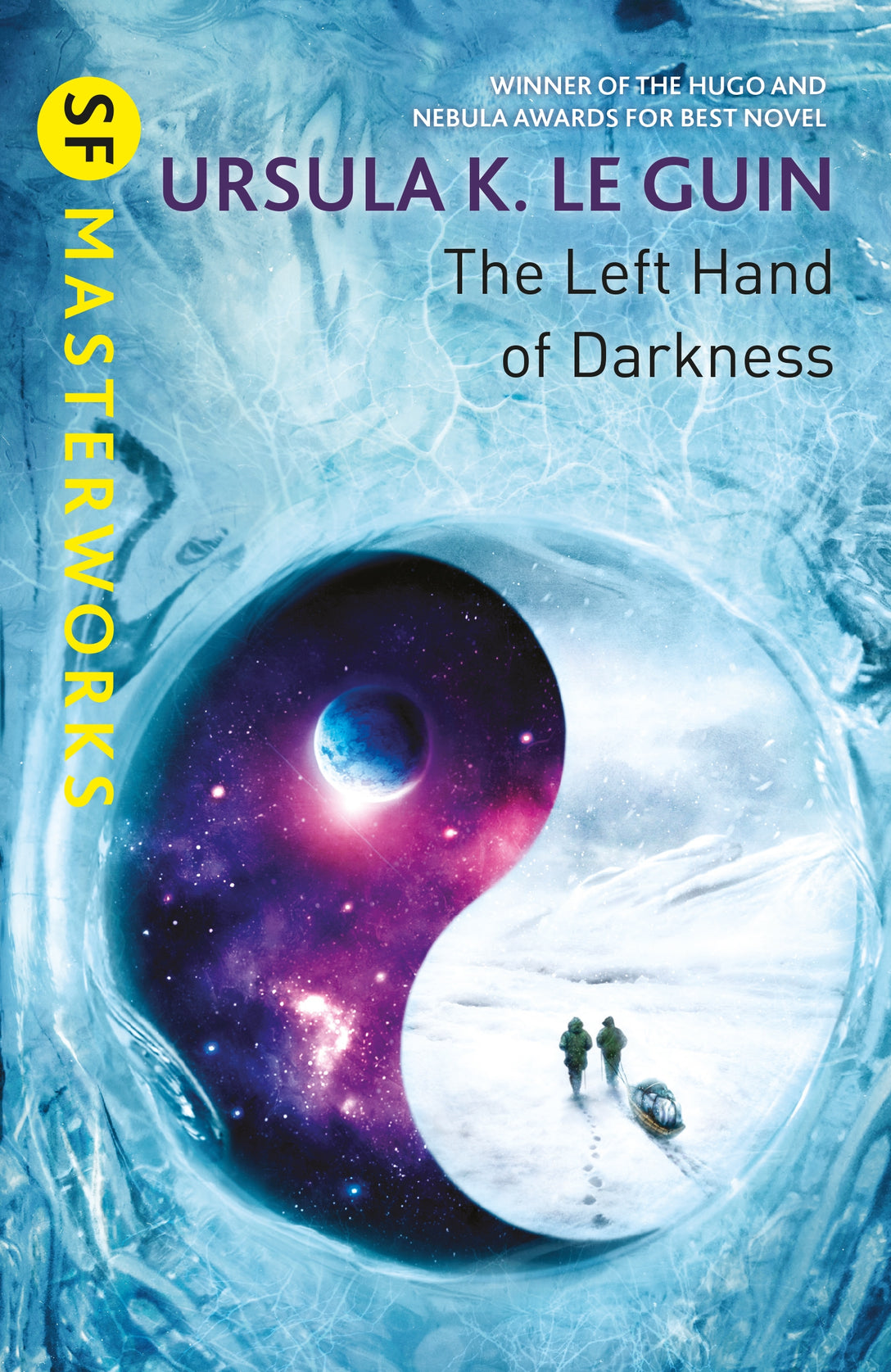
Genly Ai is an ethnologist observing the people of the planet Gethen, a world perpetually in winter. The people there are androgynous, normally neuter, but they can become male ot female at the peak of their sexual cycle. They seem to Genly Ai alien, unsophisticated and confusing. But he is drawn into the complex politics of the planet and, during a long, tortuous journey across the ice with a politician who has fallen from favour and has been outcast, he loses his professional detachment and reaches a painful understanding of the true nature of Gethenians and, in a moving and memorable sequence, even finds love...

Press Reviews
David Mitchell
Ursula Le Guin is a chemist of the heart
David Mitchell
Ursula Le Guin is a chemist of the heart
- Guardian
A rich and complex story of friendship and love
George R.R. Martin
One of the best science fiction novels ever written
Zadie Smith
Genre cannot contain Ursula Le Guin: she is a genre in herself
Frank Herbert
A jewel of a story
Michael Moorcock
As profuse and original in invention as The Lord of the Rings
- Paris Review
No single story did more to upend the genre's conventions
Becky Chambers
The exquisite prose . . . sings with every step. It is one thing to write a good story, or a great story. It is a whole other accomplishment, for an author of fiction, to write a true story
- Tor.com
Le Guin's novel imagines how bridges can be built, chasms crossed. By the end, the book has changed us. Thus, the author not only demonstrates how to build worlds. She shows why we build worlds in the first place.
- New York Times
One of the most extraordinary examples of soft-core sf . . . reflects the author's formidable background in anthropology as well as her overriding ethical and artistic concerns